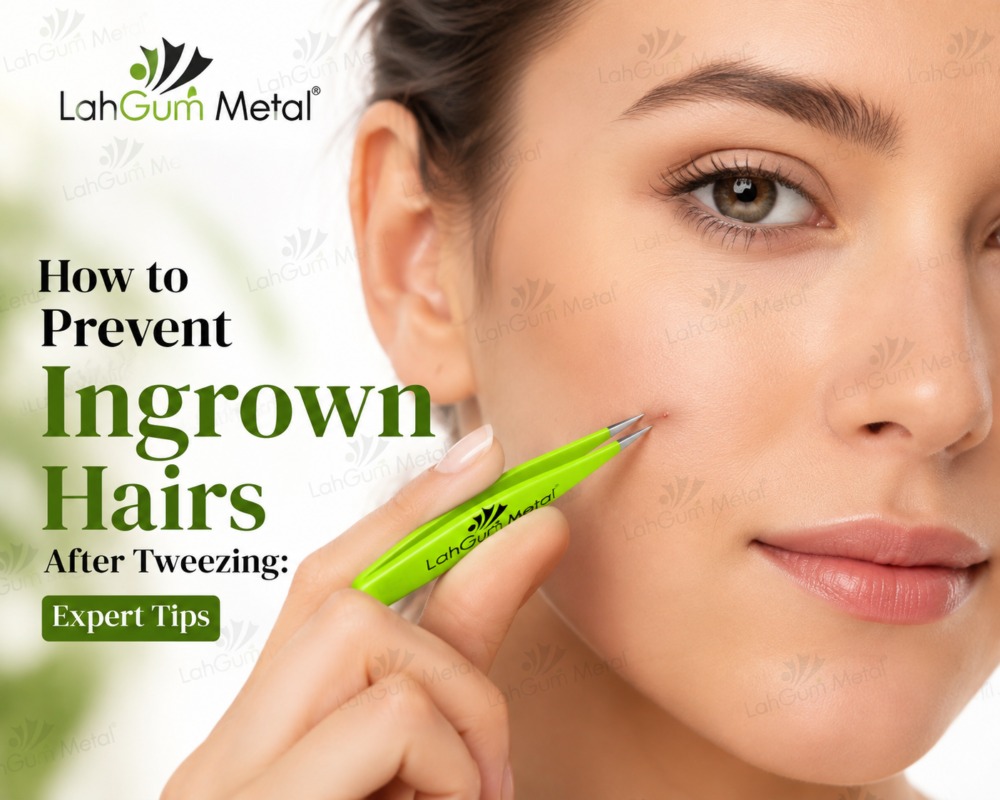
How to Remove Ingrown Hair Safely at Home — Complete 2026 Guide


⚡ Key Takeaways — How to Remove Ingrown Hair
Learning how to remove ingrown hair safely is one of the most useful beauty skills you can develop. Ingrown hairs are frustrating, sometimes painful, and incredibly common — yet most people make the problem worse by using the wrong technique or the wrong tools.
This guide covers everything: what causes ingrown hairs, how to identify them correctly, the exact step-by-step removal process, and how to prevent them from coming back. Whether you are dealing with ingrown hairs on your legs, bikini area, underarms, face, or neck — the principles are the same.
The difference between safe ingrown hair removal and a scarred, infected bump almost always comes down to two things: the right tool and the right technique.
What Exactly is an Ingrown Hair?
An ingrown hair occurs when a hair that has been shaved, waxed, or tweezed incorrectly grows back into the skin instead of upward through the pore. Instead of emerging from the follicle normally, the hair tip curls sideways or downward and re-enters the skin, causing the body to react as if the hair is a foreign object.
The result is a raised, sometimes red bump that can resemble a pimple. In some cases a dark spot, loop of hair, or actual hair tip is visible just beneath the skin surface. In more severe cases the bump fills with pus as the body fights the trapped hair.
Most Common Areas for Ingrown Hairs
| Body Area | Main Cause | Risk Level |
|---|---|---|
| Bikini / Pubic Area | Shaving, waxing, tight clothing | Very High |
| Legs | Shaving against grain | High |
| Underarms | Shaving, deodorant build-up | High |
| Face (Men) | Shaving coarse beard hair | High |
| Chin / Neck (Women) | Hormonal hair, tweezing | Medium |
| Eyebrow Area | Over-tweezing, incorrect angle | Medium |
How to Identify an Ingrown Hair
Before attempting how to remove ingrown hair, you need to confirm that what you are dealing with is actually an ingrown hair and not a spot, cyst, or infected follicle that needs medical attention:
- Visible hair loop or tip — the most definitive sign; you can see the hair curled under the skin surface
- Small raised bump — appears 1–3 days after hair removal in an area that was recently shaved or waxed
- Redness and mild tenderness — the surrounding skin is irritated but not severely swollen
- Dark spot under skin — the hair tip appears as a dark dot just beneath the surface
- Clear or slightly yellow fluid — a small amount of fluid around the hair is normal; thick yellow-green pus with significant swelling may indicate infection needing medical attention
What You Need Before You Start
- Needle-sharp pointed tweezers — this is non-negotiable; only a fine needle tip can reach beneath the skin to lift the hair loop
- 70% isopropyl alcohol — to sterilize tweezers and clean the skin
- Warm water and a clean face cloth
- Mild antibacterial soap
- Cotton pads or balls
- Antiseptic cream or aloe vera gel (for after)
- Good lighting — natural daylight or a bright lamp
- Optional: magnifying mirror for face and precision areas
Step-by-Step: How to Remove Ingrown Hair Safely
Sterilize Your Tweezers
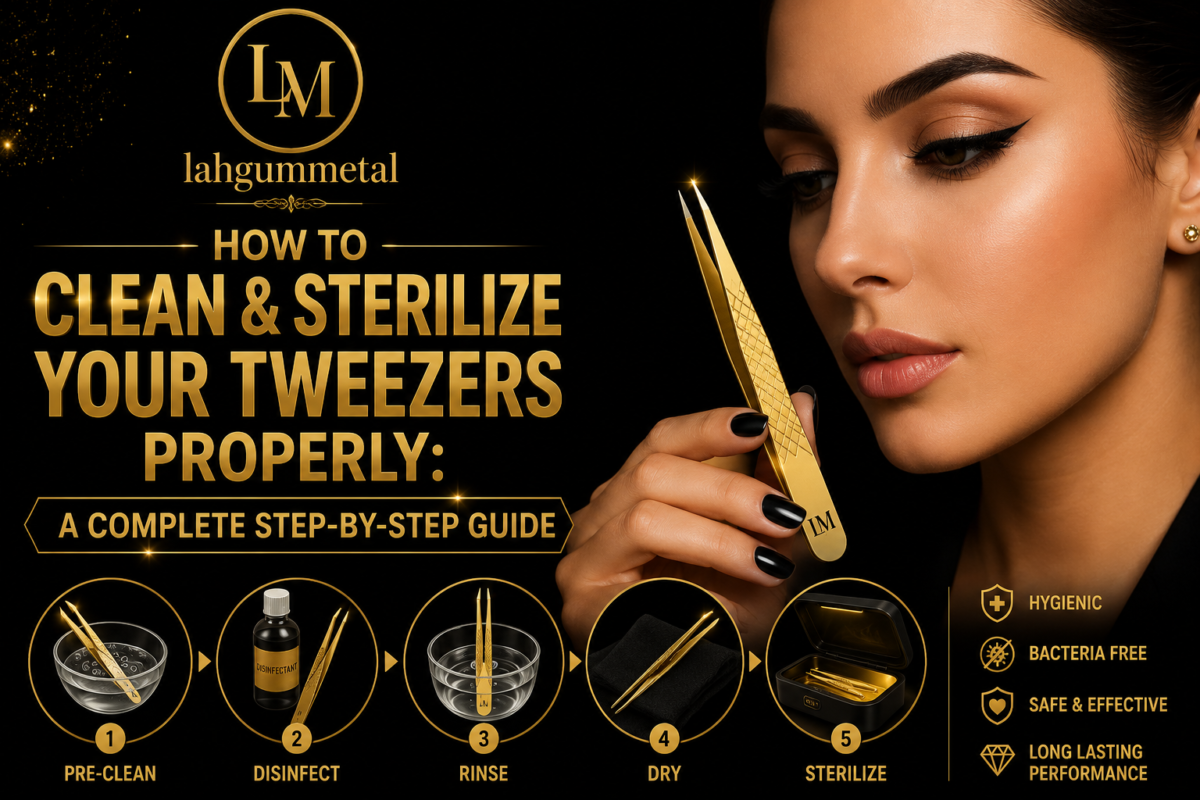
Before touching anything, wipe your precision pointed tweezers thoroughly with a cotton pad soaked in 70% isopropyl alcohol. Allow them to air dry for 30 seconds. Never skip this step — contaminated tweezers are the leading cause of post-removal infections.
Clean the Affected Area
Wash the skin around the ingrown hair gently with mild antibacterial soap and warm water. Pat dry with a clean towel. This removes surface bacteria, oils, and product residue before you open the skin.
Apply a Warm Compress — 2 to 3 Minutes
Soak a clean face cloth in warm (not boiling) water, wring it out, and hold it firmly against the ingrown hair for 2–3 minutes. This is the most important preparation step. The warmth softens the skin, dilates the pore, and encourages the hair tip to move closer to the surface — making removal significantly easier and far less painful.
Locate the Hair Precisely
Under good lighting, examine the bump closely. Look for the hair loop or tip visible beneath the skin. If using a magnifying mirror, this is the moment to use it. Identify exactly where the hair is before bringing your tweezers anywhere near the skin. Trying to find the hair mid-removal leads to unnecessary skin trauma.
Gently Lift — Do Not Dig
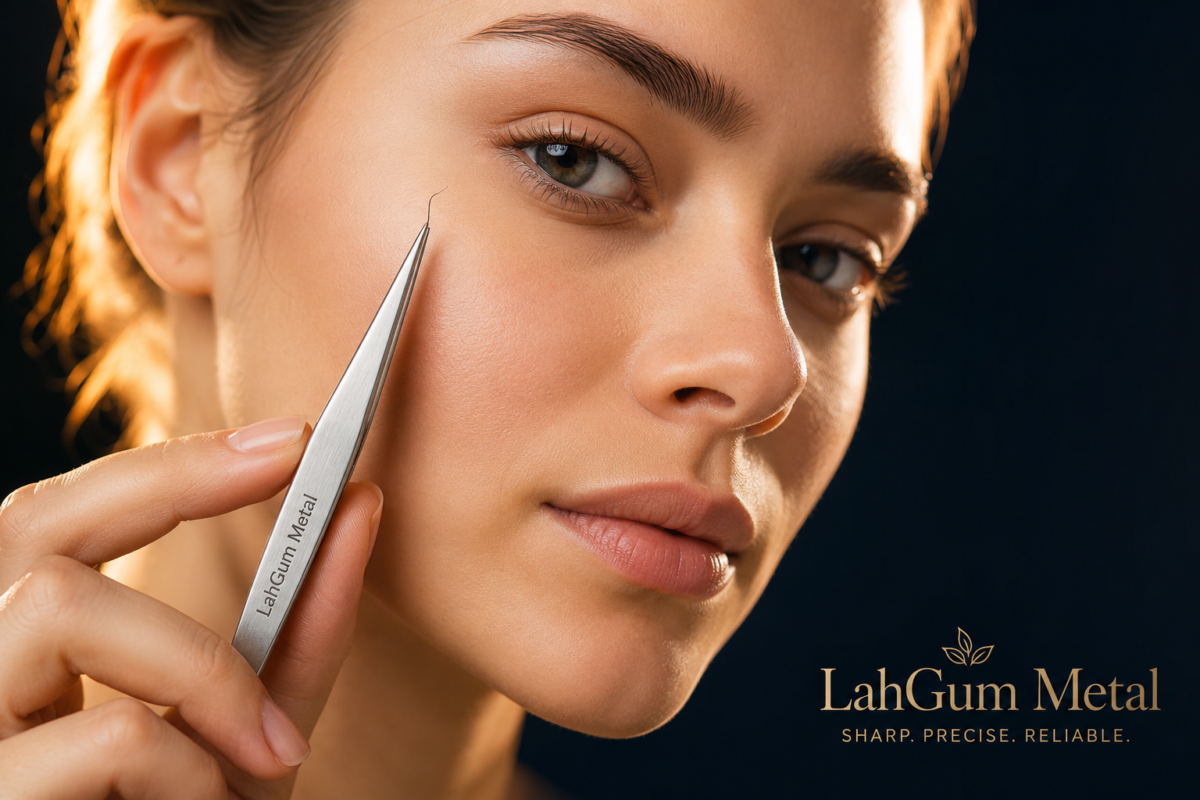
Using your needle-sharp ingrown hair tweezers, carefully slide the tip just under the loop or visible end of the hair. Apply the gentlest possible upward pressure to lift the hair loop free of the skin. The goal is to bring the hair tip above the skin surface — not to pull the entire hair out in one motion. Once the tip is free, you can grasp it properly and remove.
Remove the Hair — Pull in Growth Direction
Once the hair tip is lifted above the skin, grip it firmly at the base with your tweezers and pull steadily in the direction the hair was growing. A smooth, swift motion removes the hair cleanly from the root. Avoid yanking, twisting, or pulling against the grain — this breaks the hair and leaves the root behind, meaning the ingrown will return.
Clean and Soothe Immediately
After removal, wipe the area with a fresh cotton pad soaked in 70% alcohol to disinfect the open pore. Then apply a thin layer of antiseptic cream, aloe vera gel, or soothing toner to calm the skin. Avoid touching the area with your fingers and do not apply heavy makeup for at least 2–3 hours.
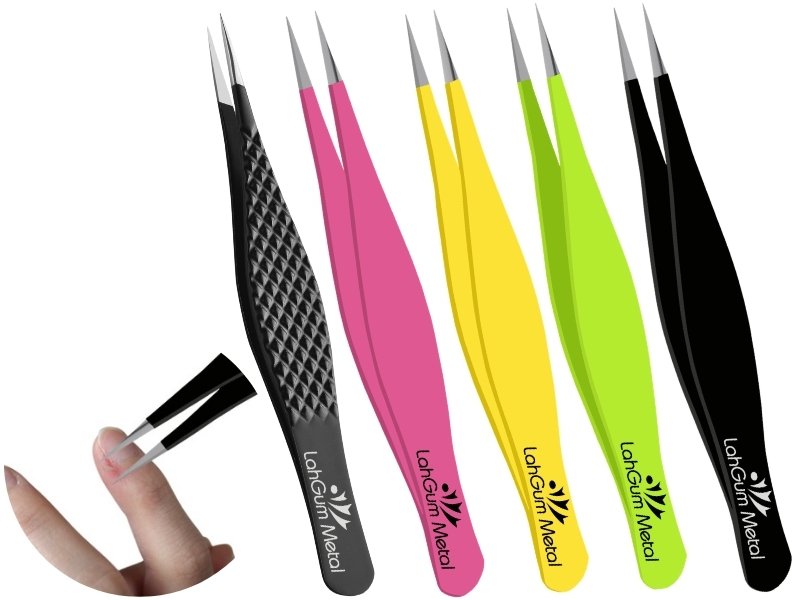
Best LahGum Metal Tweezers for Ingrown Hair Removal
Knowing how to remove ingrown hair correctly is only half the equation — the tool matters just as much as the technique. These are the top picks for safe, precise ingrown hair removal:
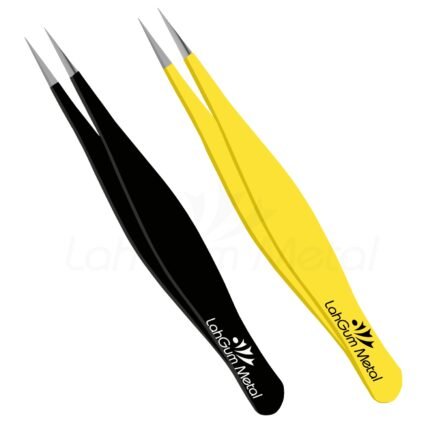
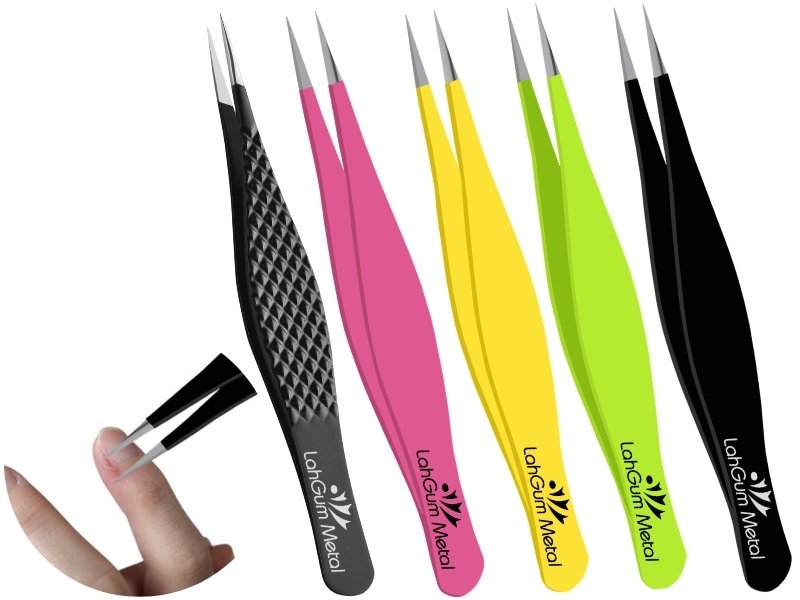
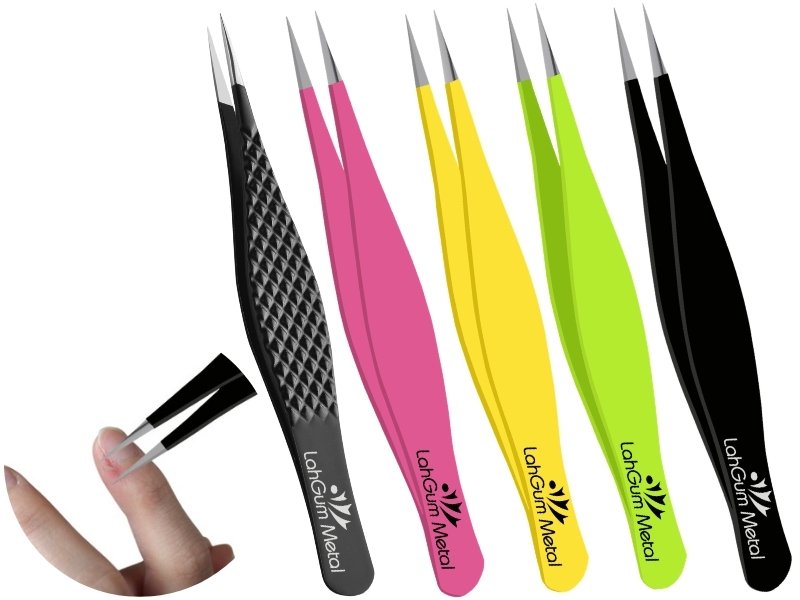
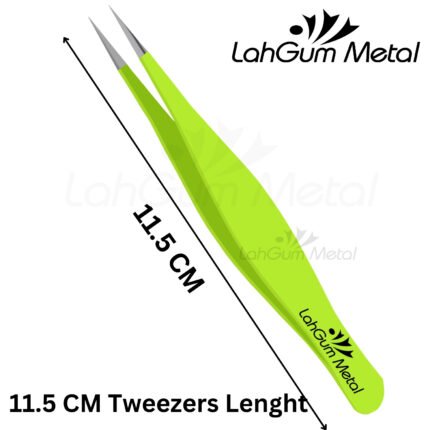
Super Sharp Pointed Tweezers — Best Overall
The most popular choice for ingrown hair removal. Ultra-sharp needle tips with perfect alignment — slides under the skin loop without digging. Rated 5/5 by professionals. Available in a 2-pair pack.
Best Needle Nose Tweezers — Ingrown & Fine Hair
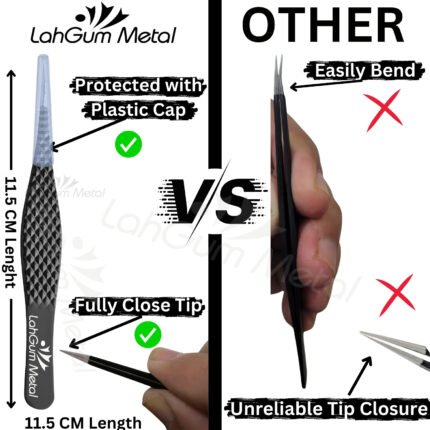
Ultra-thin needle nose tip reaches even the deepest ingrown hairs with zero skin trauma. Perfect for bikini area, underarms, and legs where hairs curl tightly under the skin surface.
Extra Sharp Tweezers — Men & Women
Extra-sharp stainless steel tip engineered for stubborn ingrown hairs on chin, neck, and facial areas. Ideal for coarse hair types and deeper ingrown hairs that standard tweezers cannot reach.
How to Prevent Ingrown Hairs from Coming Back
Once you have mastered how to remove ingrown hair, prevention becomes the priority. The same areas tend to get ingrown hairs repeatedly unless you change the habits causing them:
Exfoliate Regularly
Dead skin cells trap hairs beneath the surface. Exfoliating the prone area 2–3 times per week with a gentle scrub or chemical exfoliant (salicylic acid works especially well) keeps pores clear and allows new hairs to emerge without obstruction.
Shave Correctly
- Always shave in the direction of hair growth — never against the grain
- Use a sharp, clean razor — dull blades cut unevenly and increase ingrown risk dramatically
- Apply shaving gel or foam — never dry shave
- Rinse the blade after every stroke
- Replace razors every 5–7 uses
Tweeze Correctly
When removing hair with tweezers, always pull in the direction of growth and grip at the root — not mid-shaft. Using quality precision pointed tweezers that grip cleanly without breaking the hair reduces ingrown hair risk significantly compared to cheap tweezers that snap hair at the surface.
Moisturize After Hair Removal
Dry skin is a major contributor to ingrown hairs. Apply a fragrance-free moisturizer or body lotion after every shave or waxing session to keep skin supple and pores clear.
Wear Loose Clothing After Waxing or Shaving
Tight waistbands, underwear, and clothing rub freshly treated skin and push newly cut hairs sideways before they can emerge properly. Wear loose clothing for 24 hours after any hair removal.
Common Ingrown Hair Mistakes to Avoid
- Squeezing the bump — pushes bacteria deeper into the follicle, causing infection and scarring
- Using fingernails to dig — introduces bacteria and causes permanent skin damage
- Using flat or slant tip tweezers — cannot reach beneath the skin; always use needle-sharp pointed tweezers
- Removing before the hair is near the surface — wait for the warm compress to work; forcing removal on a deep hair causes tearing
- Skipping aftercare — always disinfect and soothe immediately after removal
- Picking repeatedly — repeated trauma to the same follicle causes hyperpigmentation and permanent scarring
Frequently Asked Questions
How long should I wait before removing an ingrown hair?
Wait until the hair tip or loop is clearly visible just beneath the skin surface — usually 2–5 days after the initial bump appears. Attempting removal before the hair is near the surface risks scarring and deep infection.
Can I remove an ingrown hair without tweezers?
Not safely. Fingers introduce bacteria and cannot grip with precision. A sterile needle can be used to gently break the skin over a visible hair loop, but purpose-built ingrown hair tweezers with needle-sharp tips are far safer and more effective.
Why do I keep getting ingrown hairs in the same spot?
Repeated ingrown hairs in one area are usually caused by consistently incorrect shaving technique, a naturally curved hair follicle, or insufficient exfoliation. Try switching to an electric trimmer in that area and adding a chemical exfoliant to your routine.
Should I pop an ingrown hair like a pimple?
Never. Squeezing an ingrown hair drives bacteria deeper into the skin, dramatically increasing infection risk, and is the leading cause of post-ingrown scarring. Always lift — never squeeze.
Final Verdict
Knowing exactly how to remove ingrown hair safely comes down to three things: the right preparation (warm compress), the right tool (needle-sharp precision tweezers), and the right technique (lift, never dig). Follow this guide consistently and ingrown hairs become a manageable, occasional inconvenience rather than a recurring skin problem.
👉 Shop LahGum Metal Ingrown Hair Tweezers