Splinter Removal 101: How to Remove a Splinter Safely at Home

⚡ Key Takeaways — Safe Splinter Removal
A splinter left in place can cause irritation, swelling, or infection — but digging at it the wrong way often makes things worse. Here’s the safe, correct way to remove one at home using precision point-tip tweezers.
Keeping a dedicated, sanitized pair of point-tip tweezers in your first-aid kit means you’re never caught without the right tool when it matters.
How to Remove a Splinter with Tweezers — By Situation
The general method for how to remove a splinter with tweezers stays the same, but the tool you reach for should change depending on what you’re dealing with. A shallow wood splinter is very different from a hair-thin cactus spine, and using the wrong tip shape on either usually means more attempts, more skin irritation, and a higher chance the splinter breaks off.
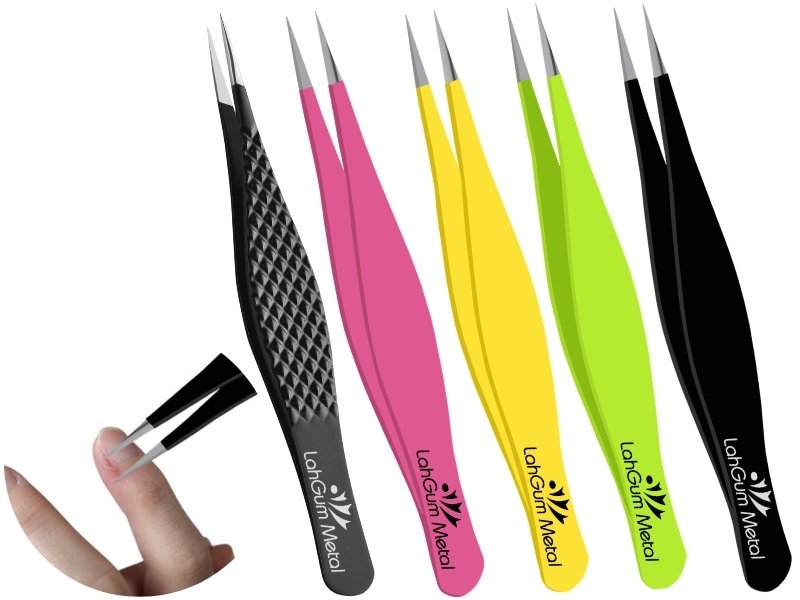
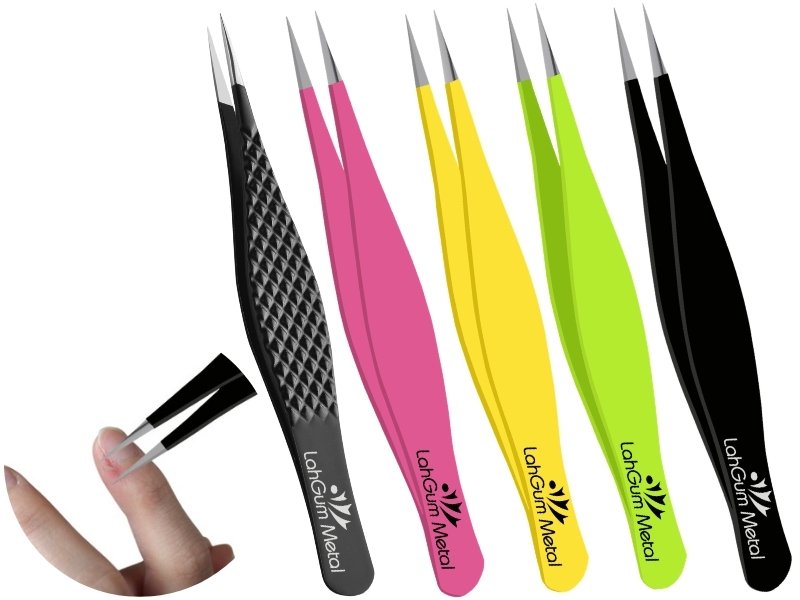
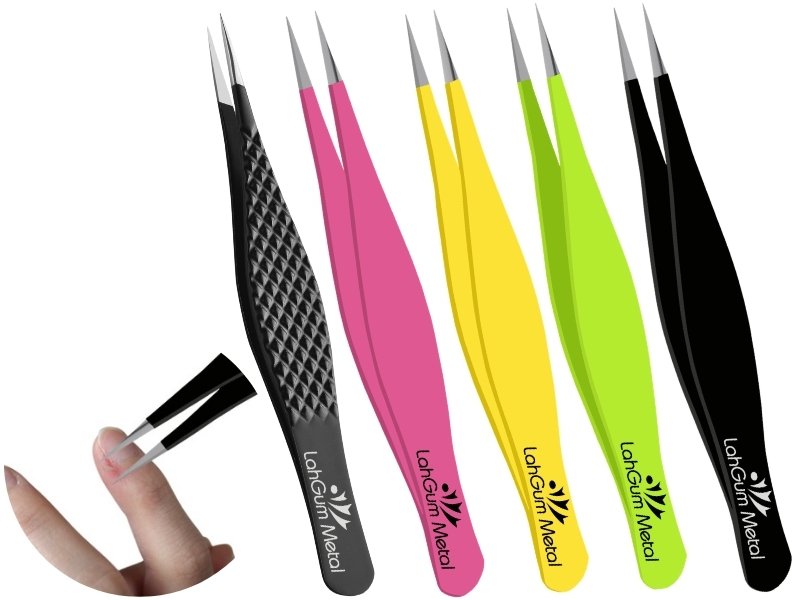
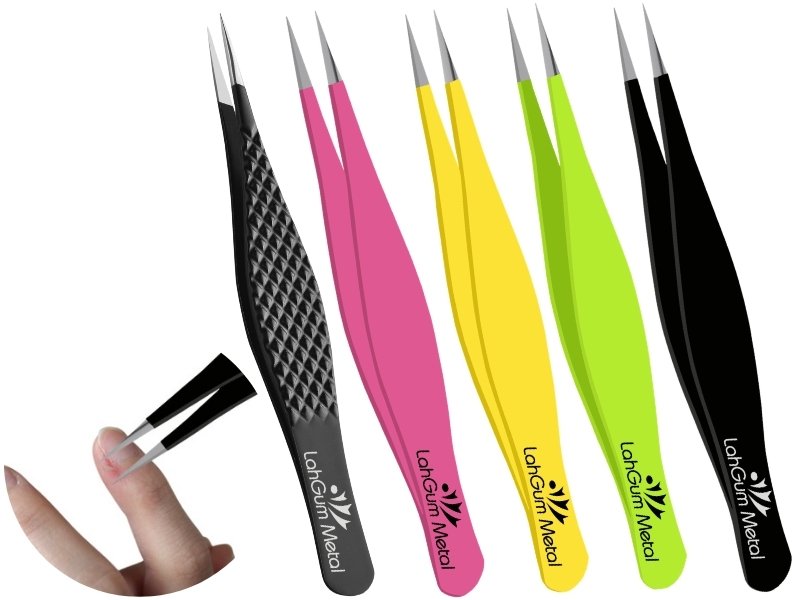
For very small or thin splinters, ordinary tweezers often can’t get a grip at all — this is where dedicated tweezers for tiny splinters matter. A genuinely fine, needle-style tip is built to close on something almost invisible to the eye, rather than sliding past it the way a wider point does.
If the splinter has gone in at an angle or sits deeper under the surface, you need pointed tweezers for deep splinters — a rigid, needle-point tip that can follow the entry angle without bending. Flimsy tweezers tend to flex under pressure here, which is exactly what causes a splinter to snap below the skin.
For everyday use, a solid pair of fine tip tweezers for splinters covers most situations — glass, wood, metal shards, and thorns — as long as the metal itself stays sharp and well-aligned. This is also why splinter removal tweezers are worth keeping as a dedicated item in your first-aid kit rather than borrowed from a makeup bag, where tips often pick up residue that dulls their grip.
When you’re specifically removing a splinter from a finger, the fingertip’s dense nerve endings make precision even more important — a slow, controlled pull with a genuinely ultra fine tip tweezers causes far less discomfort than repeated attempts with a blunt pair.
Before You Start
Wash First
Clean hands and the affected area with soap and water
Good Lighting
Use bright light or a magnifying glass to see the splinter’s angle
Sanitize Tools
Wipe tweezers with rubbing alcohol before touching the skin
Step-by-Step Removal
1. Sanitize Your Tweezers
Wipe the tips with rubbing alcohol before touching the skin.
2. Look Closely
Use good lighting, and a magnifying glass if needed, to see the splinter’s angle and depth.
3. Grip Close to the Skin
Position the tip right at the point where the splinter enters, using a fine, rigid point.
4. Pull in the Same Direction It Went In
This reduces the chance of it breaking off under the skin.
5. Stop If It Breaks or Is Too Deep
A splinter fully under the skin with no visible end is better handled by a doctor than continued digging, which raises infection risk.
6. Clean the Area Afterward
Wash with soap and water, then apply an antiseptic.
When to See a Doctor Instead
| Situation | Action |
|---|---|
| Deep, large, glass, or metal splinter | ✗ See a doctor |
| Splinter near the eye | ✗ See a doctor |
| No visible end to grip | ✗ See a doctor |
| Visible, near the surface, gripable | ✓ Safe to remove at home |
Best LahGum Metal Tweezers for Splinter Removal
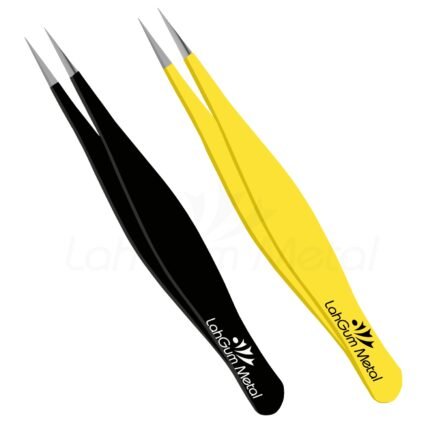
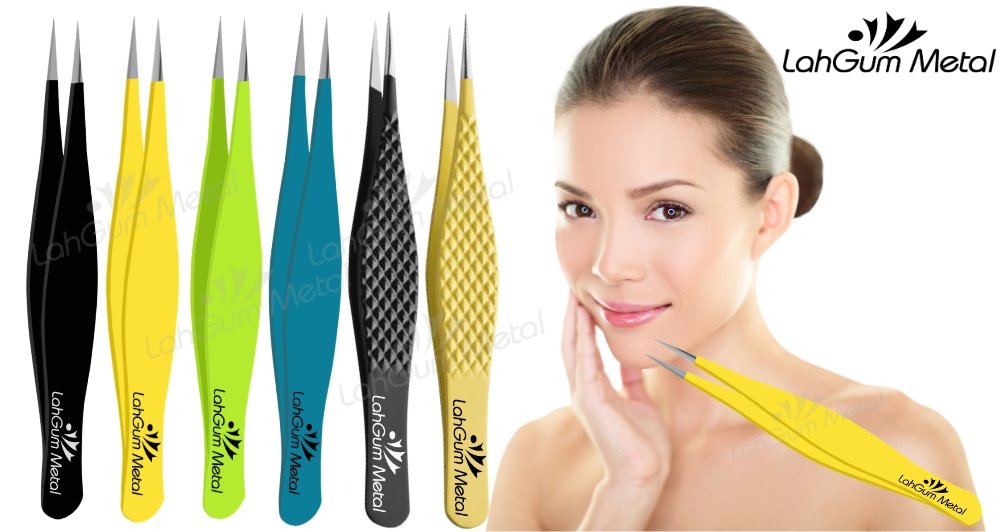
Super Sharp Pointed Tweezers — Ingrown & Splinter Removal
A needle-fine, rigid tip designed to grip small objects like splinters right at skin level with real control.
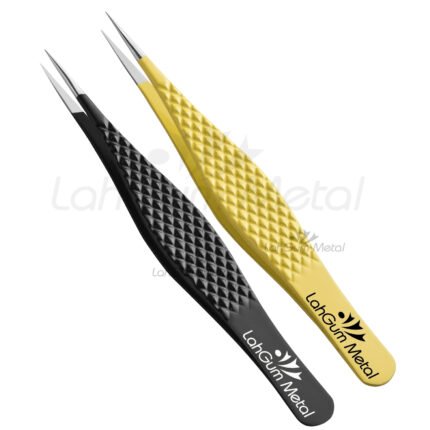
Surgical Tweezers Precision Medical Grade
Medical-grade steel, easy to sanitize before and after — ideal as a dedicated first-aid tool.
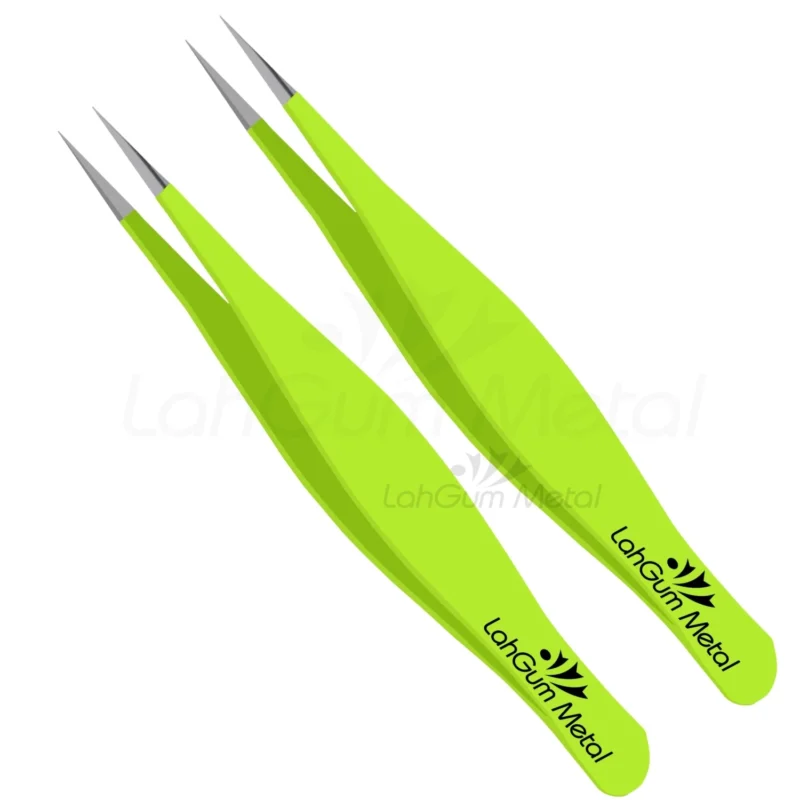
Best Ingrown Hair Tweezers Kit — Pointed Needle Tool
A fine needle-point tool that doubles well for splinters and other precision skin-level extraction tasks.
Frequently Asked Questions
What if I can’t see the end of the splinter?
Don’t dig for it. A splinter with no visible end is safer to have removed by a healthcare provider than to keep probing at home.
Should I sterilize the tweezers after use, too?
Yes — clean and disinfect them again after removal, since they’ve now been in contact with an open wound.
Why do tiny splinters seem to slip out of my tweezers?
Standard tweezers are often too wide or too blunt to grip something hair-thin. A genuine needle point tip designed specifically for tiny splinters closes with far more precision than a general-purpose pair.
Final Verdict
Safe splinter removal comes down to the right angle, the right grip, and knowing when to stop. A genuinely sharp, rigid point-tip tweezer makes the difference between a clean removal and a painful, repeated attempt.
👉 Browse Precision Pointed Tweezers at LahGum Metal
This article is for general first-aid guidance only and isn’t a substitute for professional medical care.