How to Use Tweezers Correctly Without Hurting Your Skin

⚡ Key Takeaways — How to Use Tweezers Correctly
Tweezing looks simple, but most of the irritation, redness, and ingrown hairs people blame on “sensitive skin” actually comes down to poor technique or using the wrong tool. The good news is that once you understand the correct method, tweezing becomes one of the gentlest hair removal options available — gentler than waxing, more precise than shaving, and far less irritating than depilatory creams.
This guide walks through the exact step-by-step method to tweeze safely, the mistakes almost everyone makes at least once, how to care for your skin afterward, and the best time of day to do it — using precision pointed tweezers built for control rather than force.
Most tweezing pain isn’t caused by the act of tweezing — it’s caused by a dull tip forcing extra pressure onto the skin. Fix the tool and the technique gets ten times easier.
4 Things That Determine Whether Tweezing Hurts
Tip Sharpness
A genuinely sharp tip grips hair on the first attempt — no repeat-pulling, no extra pressure on skin
Pulling Direction
Pulling with the grain of hair growth removes the full root cleanly, without breaking the hair
Skin Tension
Stretching the skin taut stops the tweezer from pinching skin along with the hair
Aftercare
Cooling and soothing the area right after tweezing prevents redness from turning into bumps
Step-by-Step Guide: How to Tweeze Without Hurting Your Skin
1. Prep the Area First
Never tweeze on dry, unprepared skin. Wash the area with warm water or hold a warm, damp cloth against it for 30–60 seconds. Warmth softens the hair follicle and slightly opens the pore, which means the hair comes out with far less resistance and far less tugging on the surrounding skin.
2. Sterilize Your Tweezers
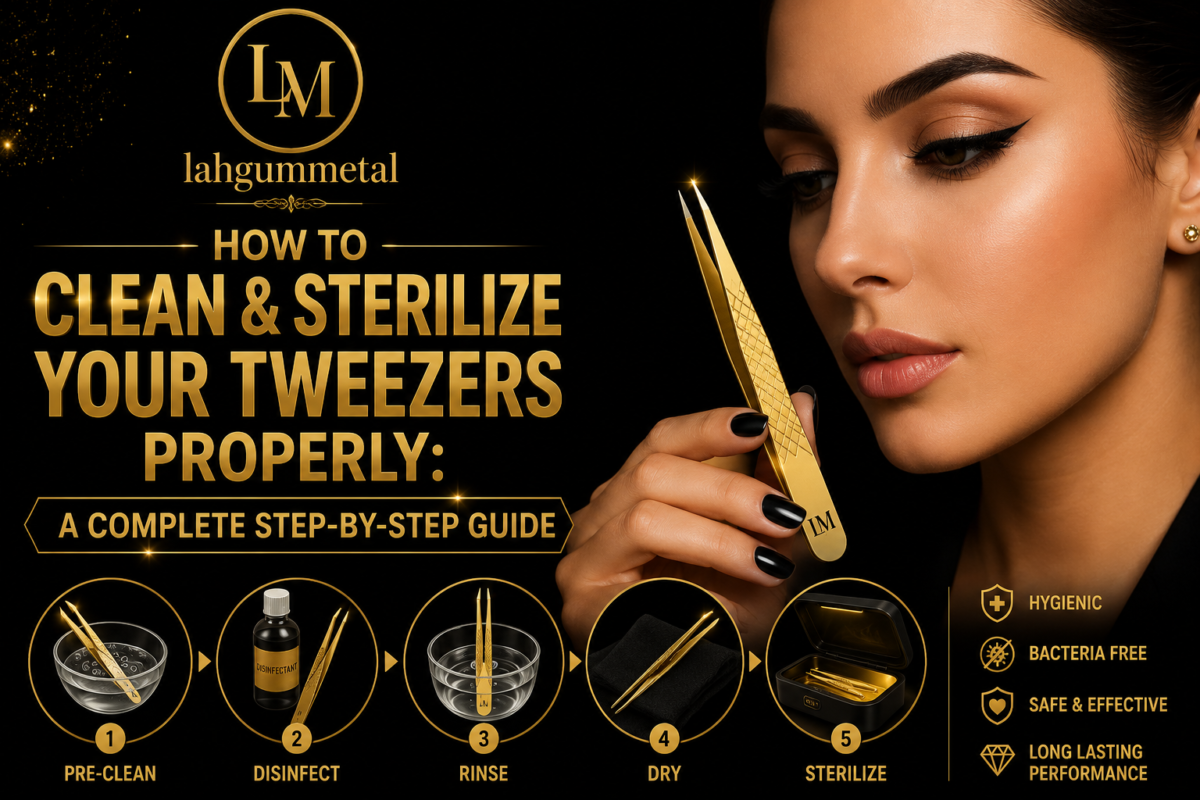
Wipe the tips with 70% isopropyl alcohol on a cotton pad before every use. This isn’t just about hygiene — a clean tip also grips better than one with leftover skin oil or makeup residue on it.
3. Stretch the Skin Taut
Using your free hand, gently pull the skin around the hair tight. Taut skin means the tweezer can grip the hair right at the surface instead of pinching skin along with it — which is one of the main reasons tweezing feels painful when it shouldn’t.
4. Grip Close to the Root
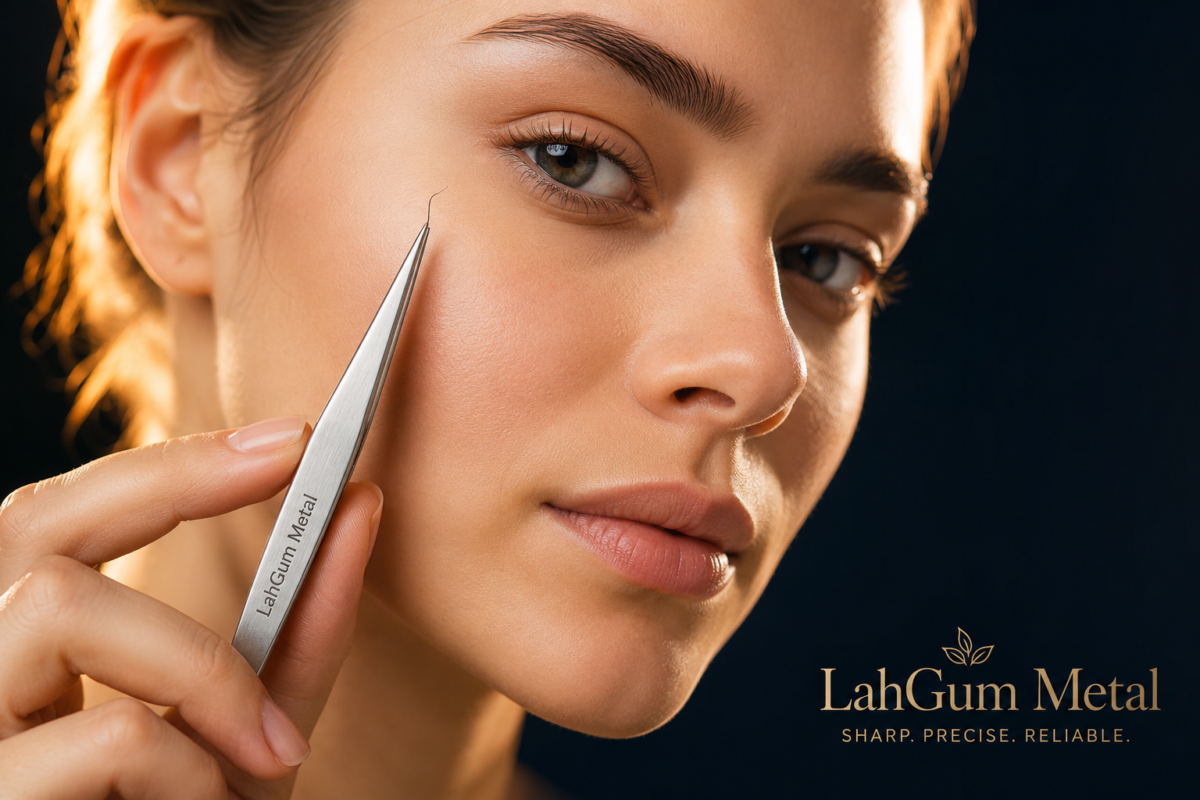
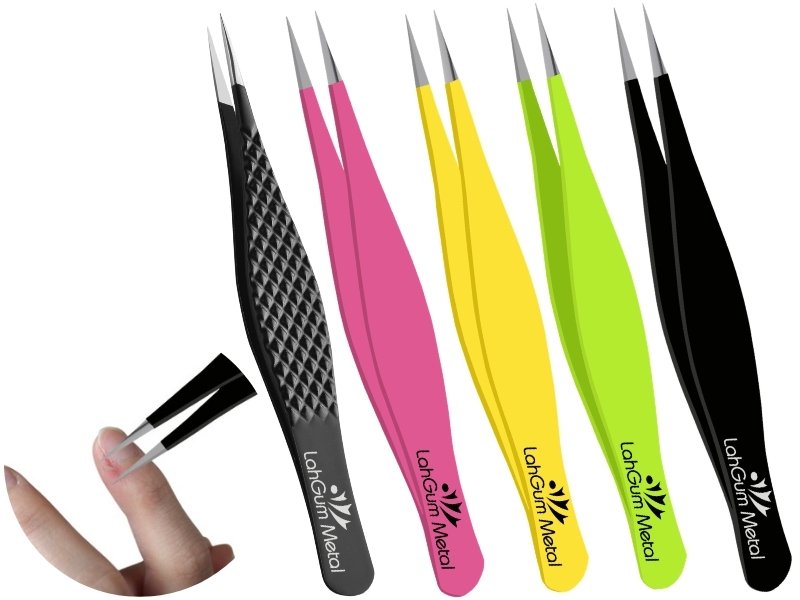
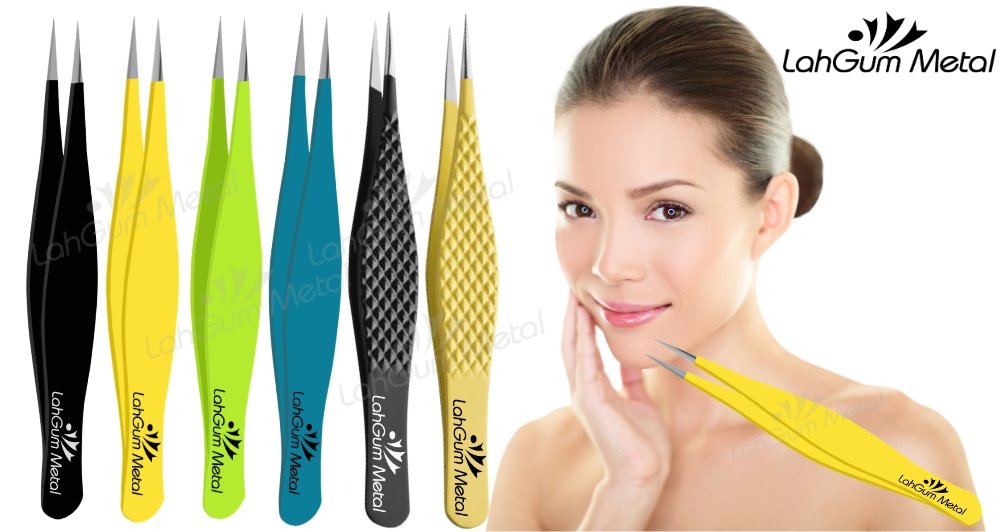
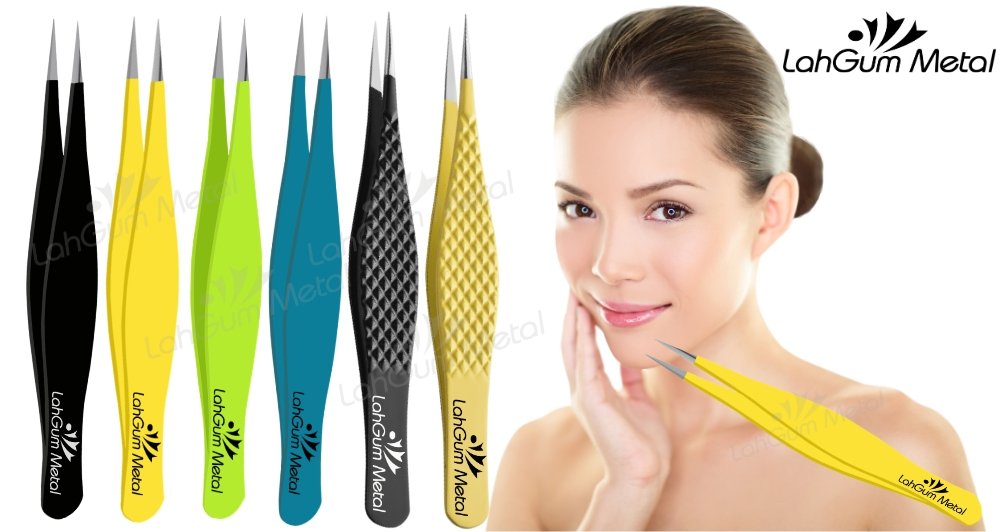
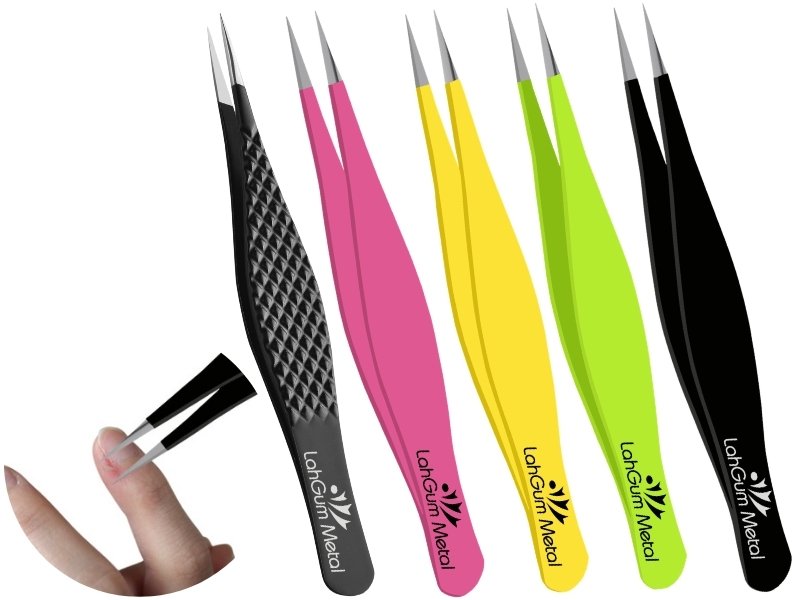
Position the tweezer tip as close to the skin as possible and grip the hair firmly. A genuinely sharp, well-aligned pointed tip — like the Super Sharp Pointed Tweezers for Ingrown, Splinter Removal & Facial Hair — will close on the hair in one attempt instead of sliding past it.
5. Pull in the Direction of Hair Growth
This is the step most people get wrong. Pull the hair out in one quick, confident motion in the same direction the hair grows, not straight up or against the grain. Pulling against the natural angle increases the chance of breaking the hair below the skin, which is a leading cause of ingrown hairs.
6. Check, Don’t Repeat-Pluck the Same Spot
If a hair doesn’t come out cleanly, reposition the tweezer rather than yanking repeatedly at the same follicle. Repeated pulling on one spot is what causes localized redness and swelling.
Common Mistakes vs Correct Technique
| Common Mistake | Why It Hurts Skin | Correct Technique |
|---|---|---|
| Using a dull or misaligned tweezer | ✗ Forces extra grip pressure | ✓ Use a sharp, aligned precision tip |
| Pulling against hair growth | ✗ Breaks hair, causes ingrown hairs | ✓ Always pull with the grain |
| Skipping the skin-stretch step | ✗ Pinches skin with the hair | ✓ Stretch skin taut before plucking |
| Tweezing on dry, unprepped skin | ✗ Tighter follicle, harder pull | ✓ Warm the area first |
| Using one tweezer for everything | ✗ Wrong tip means more passes | ✓ Match the tip type to the hair |
Best LahGum Metal Tweezers — Top 3 Picks for Correct, Pain-Free Tweezing
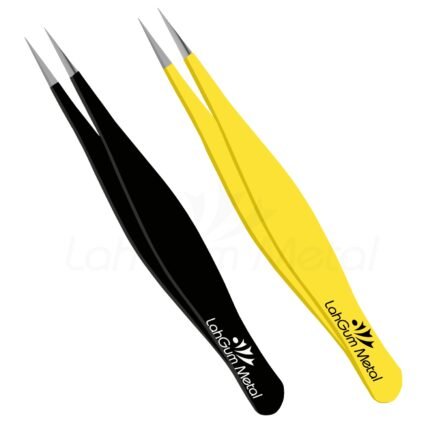
Super Sharp Pointed Tweezers — Ingrown, Splinter & Facial Hair
Genuinely needle-sharp, perfectly aligned tips that grip the hair on the first attempt — no repeat-pulling, no extra pressure on the skin.
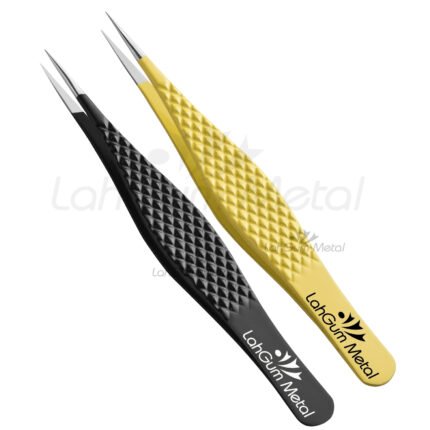
Surgical Tweezers Precision Medical Grade
Surgical-grade stainless steel built for ingrown hair and splinter extraction — sterilizes cleanly and holds its tip alignment use after use.
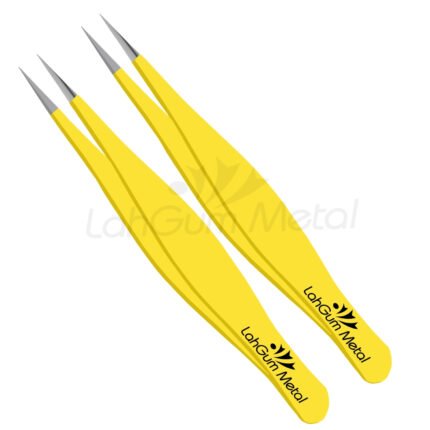
Chin Hair Tweezers for Men & Women
Designed specifically for short, stubborn chin hair and coarse facial hair — grips cleanly at the root in a single pull, with no tugging on surrounding skin.
Aftercare: What to Do After Tweezing
- Apply a cold compress for a minute or two if the skin looks pink — this calms inflammation immediately.
- Avoid touching the area with unwashed hands for the next few hours; freshly opened follicles are more vulnerable to bacteria.
- Skip makeup or heavy products on the tweezed area for at least a few hours to let the follicle close naturally.
- Use a soothing, fragrance-free moisturizer or aloe gel rather than scented lotions, which can sting freshly tweezed skin.
- Avoid sun exposure on the area for the rest of the day if possible — tweezed skin is briefly more sensitive to UV.
- Clean your tweezers again after use and store them in a case, not loose in a makeup bag — this keeps the tip sharp and ready for next time.
Best Time to Tweeze
The best time to tweeze is after a warm shower, when pores are naturally softened and hair comes out with the least resistance. If a shower isn’t an option, tweezing in the evening rather than right before going outside is ideal — it gives the skin several hours to calm down before it’s exposed to sun, sweat, or makeup.
Frequently Asked Questions
Does tweezing hurt more than waxing?
No — done correctly, tweezing is generally gentler since it removes one hair at a time rather than pulling a strip of skin and hair at once. Most of the pain people associate with tweezing comes from a dull tool or poor technique, not the method itself.
Why does my skin get red bumps after tweezing?
Red bumps usually mean either the hair was pulled against the direction of growth, the tweezer wasn’t sharp enough and required extra pressure, or the area wasn’t sterilized beforehand. Switching to a precision tool like Surgical Tweezers Precision Medical Grade and following the warm-prep step usually resolves this.
How often can I safely tweeze the same area?
As needed for stray hairs, but full sessions (like eyebrow shaping or chin hair) are best spaced 2–4 weeks apart, since tweezing removes the hair from the root and regrowth takes time.
Can tweezing cause ingrown hairs?
Yes, if hairs are broken rather than removed at the root — usually from pulling against growth direction or using a misaligned tip. Using a genuinely sharp, well-aligned tweezer and pulling with the grain significantly reduces this risk.
Final Verdict
Tweezing is one of the gentlest hair removal methods available — but only when the technique is right and the tool is sharp. Prep the skin, pull with the grain of hair growth, avoid repeat-plucking the same spot, and follow through with simple aftercare. Pair that with a precision, well-aligned tweezer from LahGum Metal’s range and most of the redness, bumps, and discomfort people associate with tweezing simply disappears.
👉 Browse All LahGum Metal Pointed & Ingrown Tweezers